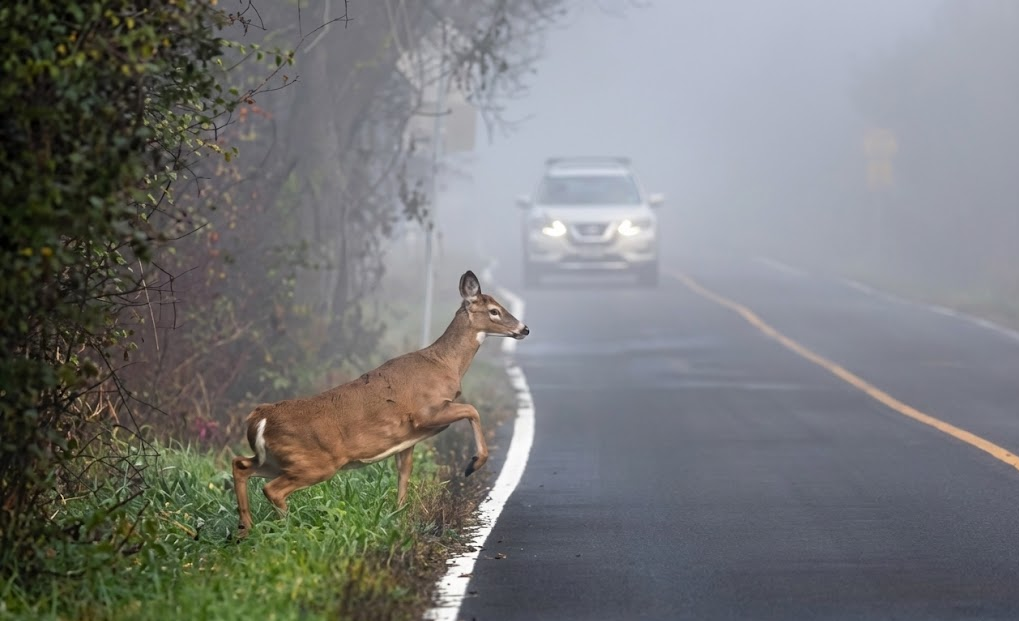
The check engine light is on. You’re pretty sure you heard something crack under the hood when the deer hit your bumper on Highway 96 last night. Your car looks okay from the outside—maybe a dent, some scratches—but something doesn’t feel right when you accelerate. If you’ve recently hit a deer anywhere in Middle Tennessee, you’re not alone. Tennessee consistently records approximately 8,000 deer-related crashes statewide, with November seeing the highest concentration of incidents. What looks like minor cosmetic damage on the surface often hides serious mechanical problems that can leave you stranded or, worse, compromise your family’s safety on the road. At Cool Springs Collision Center in Franklin, we understand that a deer impact is never just about fixing a dented bumper—it’s about specialized bumper repair and calibration that restores your vehicle to factory specifications, especially when modern safety technology is involved.
The Reality of Rut Season in Middle Tennessee
For drivers navigating the roads around Franklin, Brentwood, and Nashville, deer season isn’t just a concern for hunters—it’s a daily reality that peaks dramatically during the rut. Middle Tennessee typically experiences peak deer breeding activity from mid-November through late December, with some variation depending on location within the state. Central Tennessee counties see the most intense rutting behavior around November 13-20, precisely when deer become less aware of their surroundings and frequently dart across roadways without warning. This year’s season brings particularly heightened risk because deer populations in Middle Tennessee remain robust, and the timing coincides perfectly with the holiday travel season when more families are on the roads.
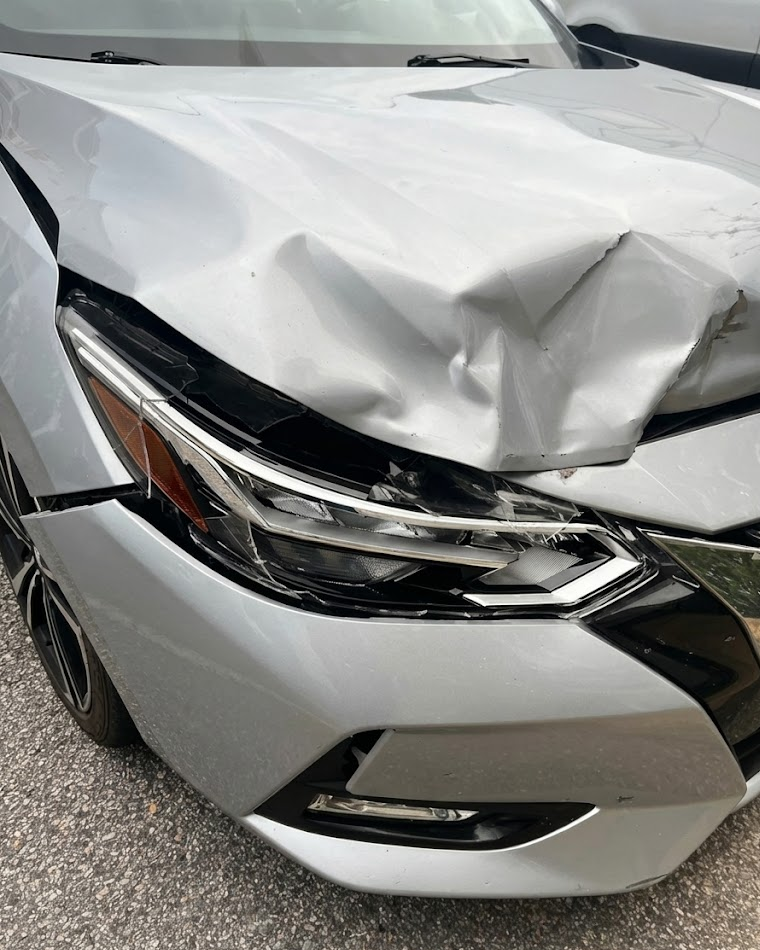
The Tennessee Department of Safety and Homeland Security reports that November consistently accounts for the highest number of deer-vehicle collisions each year, seeing hundreds of injury crashes and multiple fatalities among the roughly 8,000 total annual incidents. In Williamson County alone, where Franklin is located, drivers encounter deer most frequently on rural stretches of Highway 96, Old Hillsboro Road, and Arno Road—areas where wooded landscapes meet commuter routes. Dawn and dusk present the riskiest times, especially between 6:00-8:00 AM and 5:30-7:30 PM when deer are most active and visibility is reduced. Many drivers assume that a deer collision during rut season is just bad luck, but understanding the heightened activity during this specific window can help you stay more vigilant and know exactly what to do when impact becomes unavoidable.
Beyond the Bumper: The “Hidden” Damage of a Wildlife Impact
Here’s what most drivers don’t realize after hitting a deer: the cosmetic damage you can see rarely tells the full story. A crumpled bumper cover might hide a completely destroyed radiator support structure, bent frame rails, or a compromised crumple zone that won’t protect you properly in a future accident. When a 150-pound deer collides with your vehicle at highway speeds—say, 55 mph on Highway 96 between Franklin and Murfreesboro—the force of impact travels through the front fascia and into critical structural and mechanical components. Your bumper is designed to absorb some impact, but it’s not engineered to handle the mass and unpredictability of a large animal.
We frequently see vehicles come into our Franklin facility where the owner assumed everything was fine because the car still drove normally. Then our technicians lift the hood and discover a punctured radiator, damaged condenser, or bent cooling fans that are just barely holding together. Sometimes the impact pushes the radiator back into the engine fan, creating a ticking time bomb that will overheat your engine on your next trip down I-65 to Nashville. Other times, we find that the deer’s body struck at just the right angle to crack the headlight assembly mounting points or damage the wiring harness for your vehicle’s forward-facing sensors. These issues don’t always trigger immediate warning lights, but they absolutely compromise your vehicle’s safety and reliability. That’s exactly why we perform thorough diagnostic inspections on every deer-impact vehicle—because what you can’t see is often what will cost you the most down the road, both in repair expenses and potential safety risks.
Why Modern Vehicles Require Specialized Front-End Restoration (ADAS & Sensors)
If your vehicle was manufactured in the last five years, there’s a strong chance it’s equipped with Advanced Driver Assistance Systems—ADAS for short—and these systems dramatically change what “complete repair” actually means. ADAS includes features like automatic emergency braking, adaptive cruise control, lane departure warnings, and forward collision alerts. All of these functions rely on precisely calibrated sensors and cameras, typically mounted in your front bumper, grille, or behind your windshield. When a deer impacts your front end, even if the damage looks minor, those sensors can become misaligned by fractions of an inch or a few degrees—enough to render the entire system unreliable or completely nonfunctional.
Here’s why this matters for your family’s safety: according to the Insurance Institute for Highway Safety, properly functioning forward collision warning and automatic braking systems reduce rear-end crashes by 50 percent. But if the radar sensor behind your grille is knocked out of alignment during a deer collision, your vehicle might not detect a slowing car ahead of you on I-440 during rush hour. It could fail to apply the brakes when you need them most, or it might trigger false warnings constantly, making you distrust the system altogether. At Cool Springs Collision Center, we have the specialized equipment and factory-trained technicians needed to recalibrate these systems to exact manufacturer specifications. This process involves both static calibration—using precise targets in our controlled facility—and sometimes dynamic calibration, which requires a test drive under specific conditions. We don’t guess, and we don’t skip this step. Every ADAS-equipped vehicle that comes through our shop receives a complete diagnostic scan before we begin repairs and again after we finish, ensuring that all safety systems are functioning exactly as they should. This level of attention separates a proper restoration from a quick cosmetic fix that leaves you vulnerable on the road.
The Critical Role of Cooling Systems: Radiators, Condensers, and Engine Health
Let’s talk about what happens under the hood when a deer strikes your vehicle’s front end—specifically, to your cooling system. Your radiator, condenser, and cooling fans sit directly behind the front bumper and grille, positioned right in the impact zone when a deer collision occurs. These components are essential for keeping your engine at the proper operating temperature, and damage to any of them can lead to catastrophic engine failure if left unaddressed. We’ve seen countless cases where a driver hit a deer on Highway 31 heading into Brentwood, noticed some front-end damage, but kept driving because the temperature gauge looked normal. Then, a week later, their engine overheats completely on the way to work in Nashville, causing thousands in additional engine damage that could have been prevented.
Here’s what typically happens: the impact bends or punctures the radiator, creating a slow coolant leak that isn’t immediately obvious. Your coolant level gradually drops over several days or weeks, and by the time the temperature warning light comes on, the damage is already done. The condenser—responsible for your air conditioning system—often sustains damage at the same time, meaning you might not notice problems until summer when you realize your AC doesn’t work anymore. Cooling fans can be knocked off their mounts or bent just enough that they create vibrations or rub against other components. In worst-case scenarios, the radiator gets pushed back into the engine fan during impact, causing the fan to crack the radiator further or damage the fan blades themselves. All of this happens in the hidden space behind your bumper, invisible to anyone just looking at the outside of the vehicle. That’s precisely why our technicians at Cool Springs Collision Center thoroughly inspect the entire cooling system on every deer-impact vehicle, pressure-test the radiator and hoses, and check for any signs of leakage or structural damage. We often recommend complete hood replacement when the impact has been severe enough to compromise the hood’s structure or alignment, ensuring proper airflow to your cooling components. This comprehensive approach protects you from expensive surprises later and ensures your vehicle will reliably handle Tennessee’s hot summers without overheating.
Navigating Insurance: Comprehensive Claims vs. Collision
If you’ve hit a deer, one of the first questions on your mind is probably: “How much is this going to cost me?” The good news is that hitting a deer is almost always covered under your comprehensive insurance coverage, not collision coverage—and that distinction matters more than you might think. Comprehensive coverage typically comes with a lower deductible than collision coverage, and filing a comprehensive claim generally doesn’t affect your insurance rates the same way an at-fault collision claim would. Insurance companies classify deer strikes as “acts of nature” or unavoidable incidents, similar to hail damage or a tree falling on your car. Because there’s no at-fault driver involved, most insurers won’t penalize you with rate increases for a single deer-collision claim, especially if you have an otherwise clean driving record.
Here’s the important caveat: if you swerve to avoid hitting a deer and instead collide with another vehicle, a guardrail, or a tree, that becomes a collision claim instead of a comprehensive claim. Collision claims usually carry higher deductibles and are more likely to impact your insurance rates because they’re classified differently by insurers. The Tennessee Wildlife Resources Agency actually recommends that you don’t swerve for deer—instead, brake firmly and stay in your lane, because maintaining control of your vehicle and avoiding a multi-car accident is far more important than avoiding the deer itself. When you bring your vehicle to Cool Springs Collision Center, we work directly with all major insurance companies as a Direct Repair Facility, which means we can streamline the claims process for you. We’ll document all the damage thoroughly, provide detailed estimates that account for hidden damage, and communicate directly with your adjuster to ensure nothing gets overlooked. Many drivers don’t realize that their comprehensive deductible might be significantly lower than they think—sometimes just a few hundred dollars—making it worthwhile to file the claim rather than paying out of pocket for repairs that could easily run into the thousands when ADAS calibration and cooling system restoration are factored in. Our team will walk you through every step of the insurance process, answer your questions about coverage, and make sure you understand exactly what your policy will cover before we begin any work.
OEM vs. Aftermarket: Why Genuine Parts Matter for Resale Value
When it comes time to order replacement parts for your deer-damaged vehicle, you’ll face a choice: original equipment manufacturer (OEM) parts or aftermarket alternatives. This decision has significant implications for your vehicle’s safety, performance, and resale value, especially if you drive a newer vehicle or plan to keep it for several more years. OEM parts are manufactured by the same company that built your vehicle originally—for Toyota owners, that means Genuine Toyota and OEM parts designed specifically for your make, model, and year. These parts are guaranteed to fit exactly right, maintain the same safety standards as the original components, and preserve your vehicle’s warranty coverage. Aftermarket parts, on the other hand, are made by third-party manufacturers and while they might be less expensive initially, they often come with significant compromises.
Here’s why we strongly recommend OEM parts for front-end restoration, particularly after a deer collision: first, the fitment matters tremendously when you’re dealing with ADAS sensors and safety systems. An aftermarket bumper might be shaped slightly differently than the original, which can affect how your forward-facing radar sensor reads the road ahead. Even small gaps or misalignments can interfere with sensor performance or prevent proper calibration, essentially negating the money you saved on the cheaper part. Second, OEM parts maintain your vehicle’s crumple zones and safety structure exactly as the engineers designed them. Your front bumper and hood aren’t just cosmetic—they’re carefully engineered to absorb impact in a specific way that protects you in a collision. Aftermarket parts might not meet the same crash-test standards, potentially putting you at greater risk in a future accident. Third, when it comes time to sell or trade in your vehicle, having all OEM parts with proper documentation significantly increases resale value. Prospective buyers and dealerships know that OEM repairs mean the vehicle has been restored to factory specifications, making it a more attractive and valuable purchase. At Cool Springs Collision Center, we’re Toyota Certified, which means we have direct access to Genuine Toyota parts and we’re trained specifically on Toyota repair procedures and specifications. For other makes and models, we source only the highest-quality OEM components. We’ll discuss your options transparently, explain the trade-offs, and help you make an informed decision—but in nearly all cases, especially for newer vehicles with advanced safety features, OEM parts are absolutely the right choice for your long-term protection and investment.
Why Cool Springs Collision Center is Your Front-End Restoration Partner
Dealing with a deer collision is stressful enough without worrying about whether your vehicle is truly safe to drive afterward. At Cool Springs Collision Center in Franklin, we’ve built our reputation on delivering comprehensive, honest, and expert collision repair service to drivers throughout Middle Tennessee—from Brentwood and Nashville to Murfreesboro and beyond. Here’s what sets us apart when it comes to deer-damage restoration:
- Toyota Certified Collision Center: We maintain factory certifications and strictly adhere to manufacturer specifications, ensuring your vehicle is repaired correctly the first time with no shortcuts or guesswork.
- I-CAR Gold & ASE Trained Technicians: Our team receives ongoing training in the latest repair techniques, ADAS calibration procedures, and advanced vehicle technologies, keeping us ahead of the rapidly evolving automotive industry.
- Lifetime Warranty on Repairs: Every repair we complete comes with a lifetime warranty, giving you complete peace of mind that our work will stand the test of time and protect your investment.
- Direct Repair Facility: We work directly with all major insurance companies, streamlining your claims process and eliminating the hassle of back-and-forth communication between you, your insurer, and the repair shop.
- Complete Diagnostic Capabilities: Our computerized damage diagnosis systems allow us to identify hidden damage and electronic issues that less-equipped shops might miss, ensuring nothing gets overlooked.
- Aluminum Repair Facilities: Many modern vehicles incorporate aluminum components in their construction; we have the specialized equipment and training to properly repair these advanced materials.
We know that after hitting a deer, you want answers quickly and you want to trust that your vehicle is being properly cared for. That’s why we offer free repair estimates with no appointment necessary—just stop by our Franklin location and our licensed damage appraisers will thoroughly evaluate your vehicle and explain exactly what needs to be done. If your vehicle isn’t drivable, we provide 24-hour towing services in Franklin and the surrounding areas, along with on-site rental cars so you can get back on the road immediately while we handle your repairs. We’ll treat your vehicle with the utmost respect, communicate with you throughout the entire process, and ensure you understand every step we’re taking. Our commitment isn’t just to fix what’s broken—it’s to restore your confidence in your vehicle and your safety on Middle Tennessee’s roads.
Deer Collision Damage: Common Issues and Solutions
| Component Affected | Typical Damage | Why It Matters | Restoration Solution |
|---|---|---|---|
| Front Bumper & Grille | Cracks, dents, sensor displacement | Houses critical ADAS radar and cameras | OEM replacement + sensor recalibration |
| Radiator & Condenser | Punctures, bends, coolant leaks | Prevents engine overheating and AC failure | Pressure testing, OEM replacement if damaged |
| Hood & Fenders | Dents, misalignment, structural damage | Affects aerodynamics and safety structure | Paintless dent repair or OEM replacement |
| Headlights & Wiring | Cracked lenses, damaged harnesses | Reduces visibility and electrical reliability | OEM assemblies with proper wiring repair |
| ADAS Sensors | Misalignment, calibration loss | Compromises automatic braking and safety alerts | Factory-spec static and dynamic calibration |
| Frame & Substructure | Bent rails, compromised crumple zones | Affects future crash protection | Computerized frame straightening to OEM specs |
Note: Every deer collision is unique. A complete diagnostic inspection at Cool Springs Collision Center will identify all damage specific to your vehicle.
FAQs
Q: My car looks fine after hitting a deer, but the check engine light is on. Is it safe to drive?
A: No, you should not continue driving without having your vehicle inspected. The check engine light typically indicates that one of your vehicle’s systems has detected a problem—in deer collisions, this is often related to hidden radiator damage causing coolant leaks, damaged sensors, or electrical issues from impact. Continuing to drive with a coolant leak can cause your engine to overheat, potentially leading to catastrophic engine damage that could leave you stranded. We strongly recommend having your vehicle towed to our Franklin facility for a complete diagnostic inspection before driving it any further.
Q: Will a front-end deer impact affect my vehicle’s automatic braking sensors?
A: Yes, absolutely. Modern automatic emergency braking systems rely on forward-facing radar sensors or cameras that are typically mounted in the front bumper or behind the grille. Even if the impact seems minor, these sensors can become misaligned by fractions of an inch, which dramatically affects their ability to accurately detect vehicles, pedestrians, or obstacles ahead of you. At Cool Springs Collision Center, we perform complete ADAS calibration on every deer-impact vehicle with these systems, using specialized equipment to ensure your automatic braking, adaptive cruise control, and collision warning systems function exactly as designed. This calibration process is not optional—it’s essential for maintaining the safety features that protect you and your family on the road.
Q: Does hitting a deer count as a “Collision” or “Comprehensive” claim?
A: Hitting a deer is classified as a comprehensive insurance claim, not a collision claim—and this distinction works in your favor. Comprehensive coverage typically comes with a lower deductible than collision coverage, and most insurance companies don’t increase your rates for comprehensive claims the same way they do for at-fault collisions. Because deer strikes are considered unavoidable “acts of nature,” you won’t typically see significant rate increases for filing a single deer-collision claim, especially if you have an otherwise clean driving history otherwise. We work directly with all major insurance providers at Cool Springs Collision Center, and we’ll help you navigate the claims process smoothly, ensuring you get the coverage you’re entitled to without unnecessary hassle.
Q: Why do you recommend OEM parts for hood and radiator restoration?
A: OEM (original equipment manufacturer) parts are essential for several critical reasons, especially when dealing with front-end restoration after a deer collision. First, OEM parts maintain the exact fitment and specifications that your vehicle’s manufacturer designed, which is crucial for proper ADAS sensor function—aftermarket parts with even slight dimensional differences can interfere with sensor calibration and performance. Second, OEM parts preserve your vehicle’s engineered safety structure and crumple zones, ensuring your vehicle will protect you properly in a future collision. Third, if you drive a newer vehicle, using OEM parts maintains your factory warranty and significantly protects your resale value down the road. Prospective buyers and dealerships recognize vehicles repaired with genuine manufacturer parts as higher quality and more reliable investments. While aftermarket parts might seem less expensive initially, the long-term value, safety, and reliability of OEM components make them the smart choice for comprehensive front-end restoration, particularly on vehicles equipped with modern safety technology.
Q: How long will my vehicle be in the shop for deer-damage repairs?
A: The repair timeline depends entirely on the extent of damage to your vehicle. For minor cosmetic damage with no mechanical or sensor issues, we might complete repairs in just a few days. However, if your vehicle requires radiator replacement, ADAS calibration, structural straightening, and expert automotive painting and color matching, the process could take one to two weeks. We provide realistic timelines upfront after our complete diagnostic inspection, and we keep you informed throughout the entire repair process. If your vehicle needs to be in the shop for an extended period, we offer on-site rental cars so you can maintain your daily routine without disruption. Our goal is to complete your repairs correctly and thoroughly the first time, ensuring your vehicle is safe and reliable when you get it back.
Don’t Let Hidden Damage Compromise Your Family’s Safety
A deer collision might seem like a minor inconvenience at first glance, but the reality is that what you can’t see often poses the greatest risk to your vehicle’s performance and your family’s safety. From compromised ADAS sensors that won’t protect you in an emergency to slow coolant leaks that lead to engine failure, the hidden damage from a wildlife impact deserves professional attention from technicians who understand modern vehicle technology. At Cool Springs Collision Center, we don’t just fix dents and scratches—we perform complete front-end restoration that addresses every component affected by the impact, from structural elements to advanced safety systems.
Whether you hit a deer on your morning commute down Highway 96, encountered wildlife on Old Hillsboro Road after dark, or had an incident anywhere in Middle Tennessee, we’re here to help you get back on the road safely and confidently. Our Toyota Certified technicians, state-of-the-art diagnostic equipment, and commitment to using only genuine OEM parts ensure that your vehicle will be restored to factory specifications, protecting both your immediate safety and your long-term investment. Don’t wait for that check engine light to turn into a complete breakdown, or for misaligned sensors to fail when you need them most.
If you’ve impacted wildlife, skip the stress and the uncertainty. Visit Cool Springs Collision Center for your free walk-in estimate—no appointment necessary. Our licensed damage appraisers will thoroughly evaluate your vehicle, explain exactly what needs to be done, and provide you with a transparent, detailed estimate. We work directly with your insurance company to streamline the claims process, and we’ll ensure you understand every step of the restoration. Your vehicle deserves expert care, and your family deserves the peace of mind that comes with knowing the job was done right.
Schedule Your Free Estimate Today
Or visit us at 1124 Murfreesboro Rd. Franklin TN 37064 and get a quick in-person estimate!